Diary, 1920
The Diary of Arne Erickson
Twenty-one days on foot from Flat to Anchorage, with the Trail’s roadhouses, weather and people as he found them.
Learn about the INHT
The Iditarod Trail, a symbol of frontier travel and once the main artery of Alaska’s winter commerce, served a string of mining camps, trading posts and other settlements founded between 1880 and 1920.
The Iditarod Trail was developed as a response to gold-rush-era needs. Its antecedents were the Native trails of the Tanaina and Ingalik Indians and the Inupiaq and Yupik Eskimos. They knew the route and had developed winter modes of travel, the dogsled and snowshoe.
From January to April 1908, Walter Goodwin and a crew of three blazed a route from Seward through the Cook Inlet country toward Nome. With the strike of gold in Iditarod, the Alaska Road Commission blazed the trail in the winter of 1910, giving the Iditarod and Innoko mining districts overland access to the deep-water port of Seward. Heavy traffic continued until the 1920s, when mining declined and the airplane began to replace the dog team.
Read the full Historic Overview (on the Alliance's current website): Russian America, the Klondike and Nome, the Inland Empire, roadhouses and the people of the Trail.
historic-overview.html and historic-overview1.html). On the new site it becomes one page with chapters and a contents list, and the duplicate becomes a redirect.“If you love the grandeur of nature—its canyons, its mountains and its mightiness, and love to feel the thrill of their presence—then take the trip by all means; you will not be disappointed.”C.K. Snow, “At the End of the Trail”, Seward, 15 February 1919
Diary, 1920
Twenty-one days on foot from Flat to Anchorage, with the Trail’s roadhouses, weather and people as he found them.
Oral history
Recorded interviews with people of the Trail, held by the University of Alaska Fairbanks.
Primary documents
The Congressional intent for the Trail, the 1986 Comprehensive Management Plan and the 1982 Resource Inventory, with more at ARLIS.
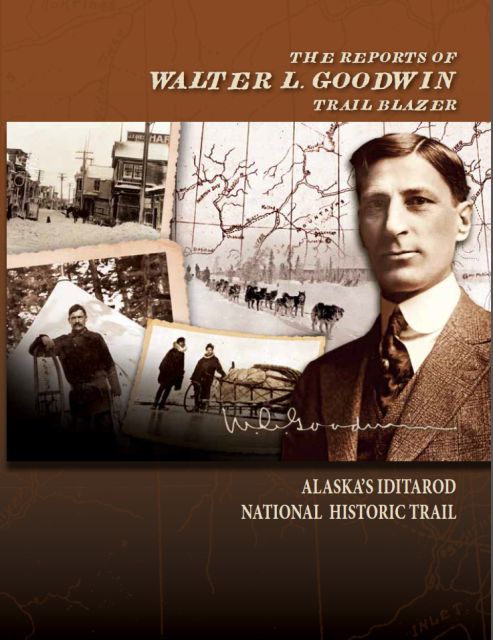
$15.00
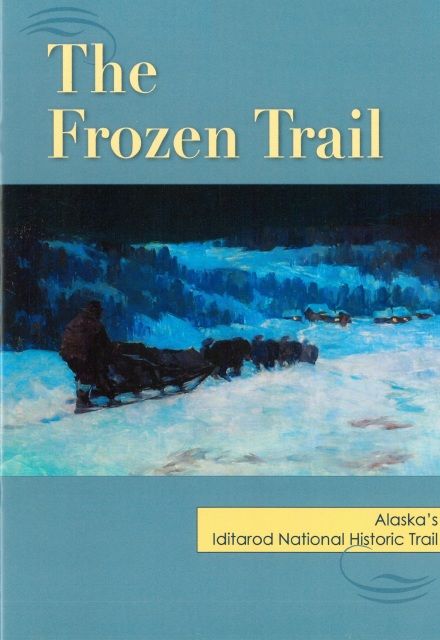
$15.00
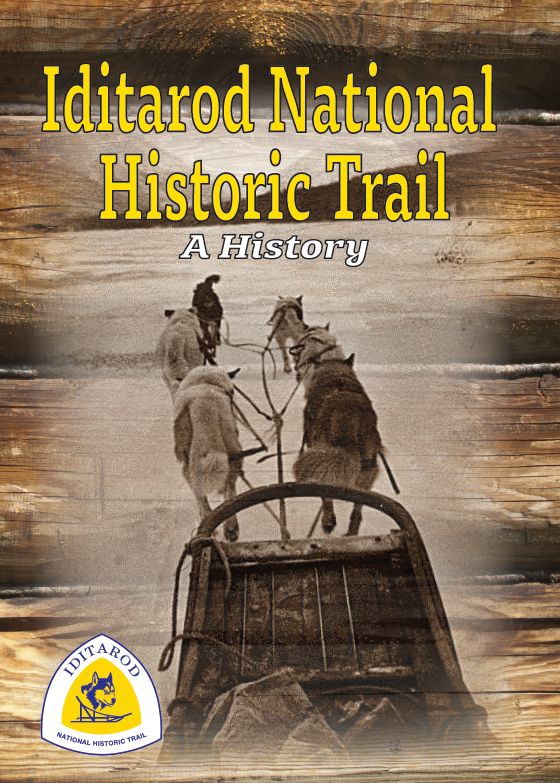
$20.00
For kids
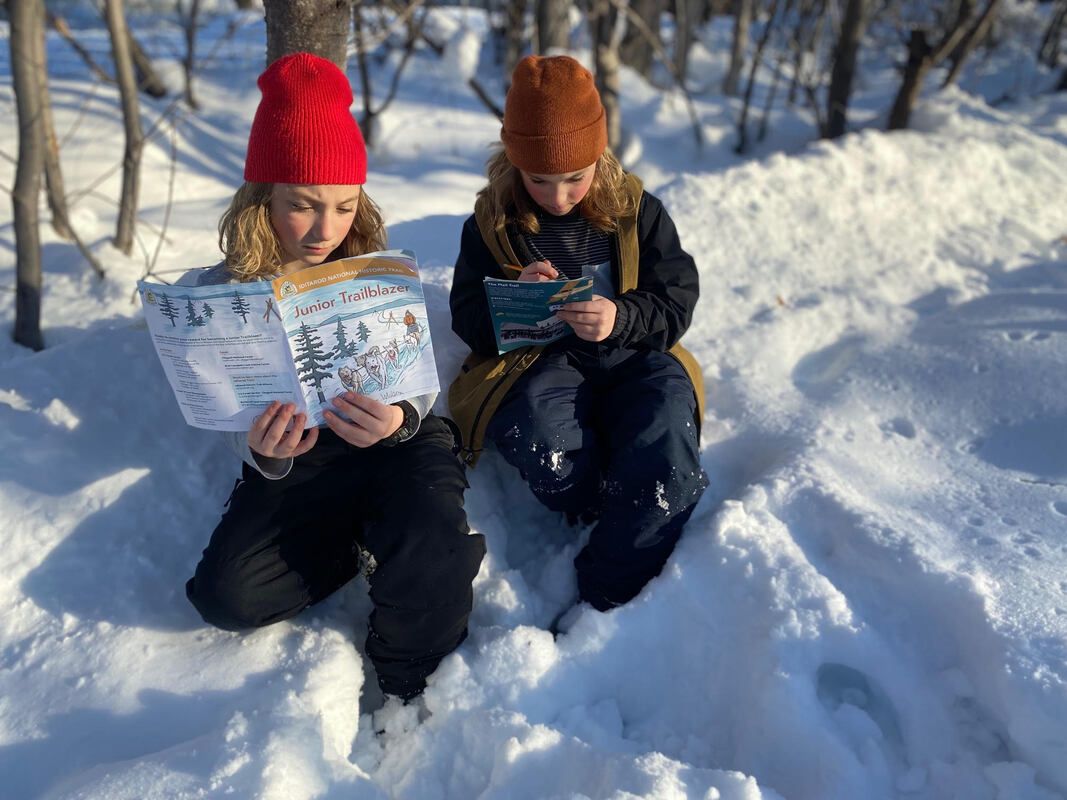
The booklet guides kids and adults alike through the history and modern-day use of the Iditarod National Historic Trail, America’s only winter National Trail. It was completed in partnership with the Bureau of Land Management Alaska and the Chugach National Forest.
Download the Junior Trailblazer booklet (on the Alliance's current website)
The Junior Trailblazer patch for completing the booklet is still under development.
For educators · Professional development
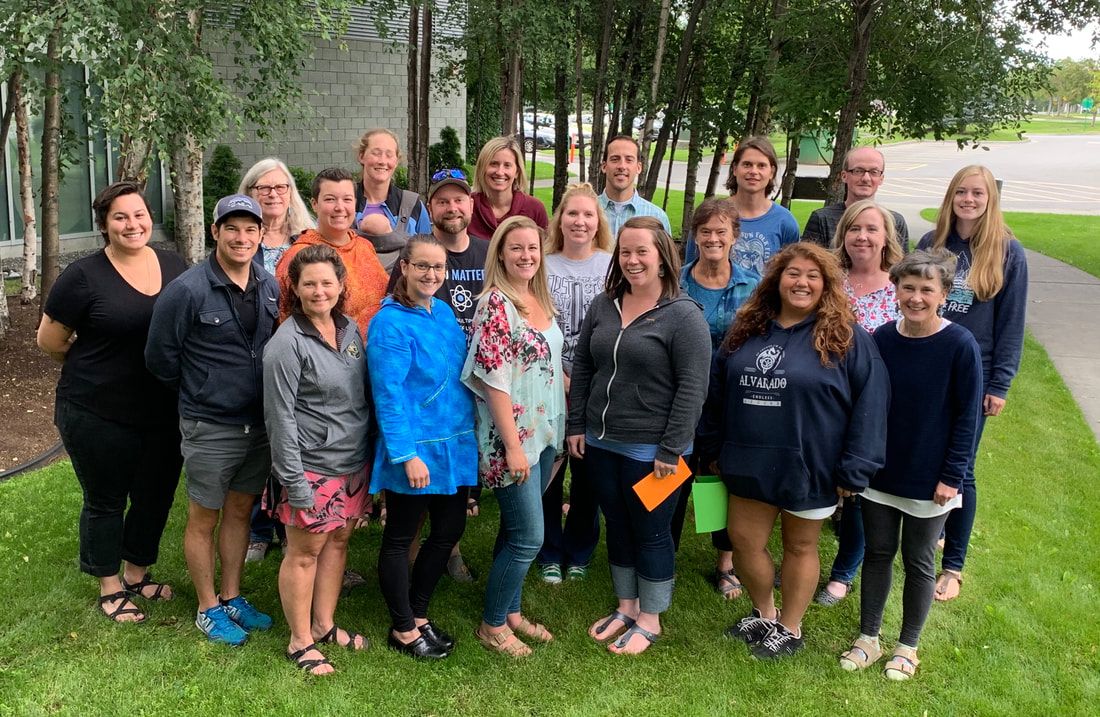
A place-based professional development series connecting communities along the Iditarod National Historic Trail, promoting resource stewardship, recreation and community engagement. Educators develop their own curriculum that ties into the Trail and the public lands it connects.
Modeled after “A Forest for Every Classroom” along the Appalachian Trail, iTREC! was built as a summer institute, a fall workshop and a spring workshop, with virtual sessions added since.